During the peak of calving season in the southern Serengeti, as many as 8,000 wildebeest calves can be born in a single day, an extraordinary strategy that overwhelms predators by sheer numbers.
The greatest movement on Earth
Every year, some 1.5 million wildebeest, joined by hundreds of thousands of zebra and gazelle, move in a vast clockwise loop through Tanzania's Serengeti and Kenya's Masai Mara. They follow the rains and the fresh grass that rises behind them, travelling hundreds of kilometres through lion, cheetah and hyena territory.
There is no starting line and no finish. The migration is a continuous, year-round cycle, which means there is no wrong time to witness it, only different chapters of the same epic story.
The challenge is being in the right place. The herds move according to rainfall, not the calendar, and that is exactly where local knowledge matters. We monitor the herds through the season and position you where the action is unfolding.

More than just crossings
The famous river crossings of the Grumeti and Mara rivers, from roughly July to October, are the most dramatic scenes in the natural world. Thousands of animals gather nervously on the bank, then suddenly plunge into water patrolled by giant Nile crocodiles.
Yet many seasoned travellers prefer the calving season from January to March in the short-grass plains around Ndutu. Hundreds of thousands of calves are born within weeks, and the predator action is relentless and intimate, with far fewer vehicles than the river crossings attract.
Between these two peaks, the long rains of April and May bring lush landscapes and very few visitors, while June sees the herds rutting and massing in the Western Corridor. Every month has its own reward.
“You do not watch the migration so much as stand inside it. The sound of a million hooves stays with you forever.”
Choosing the right camp
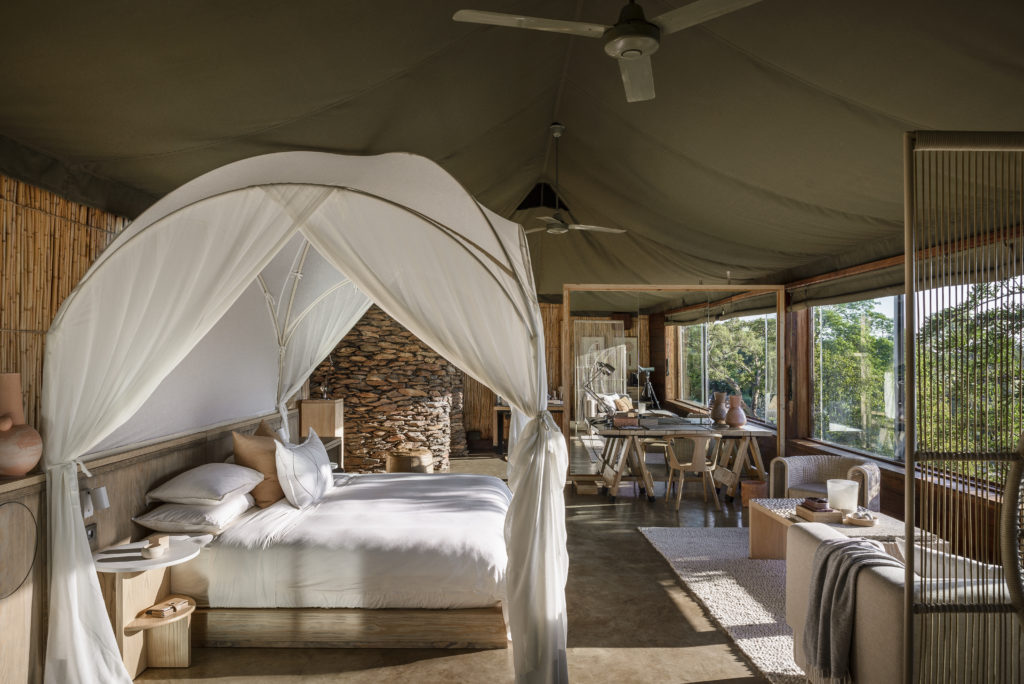
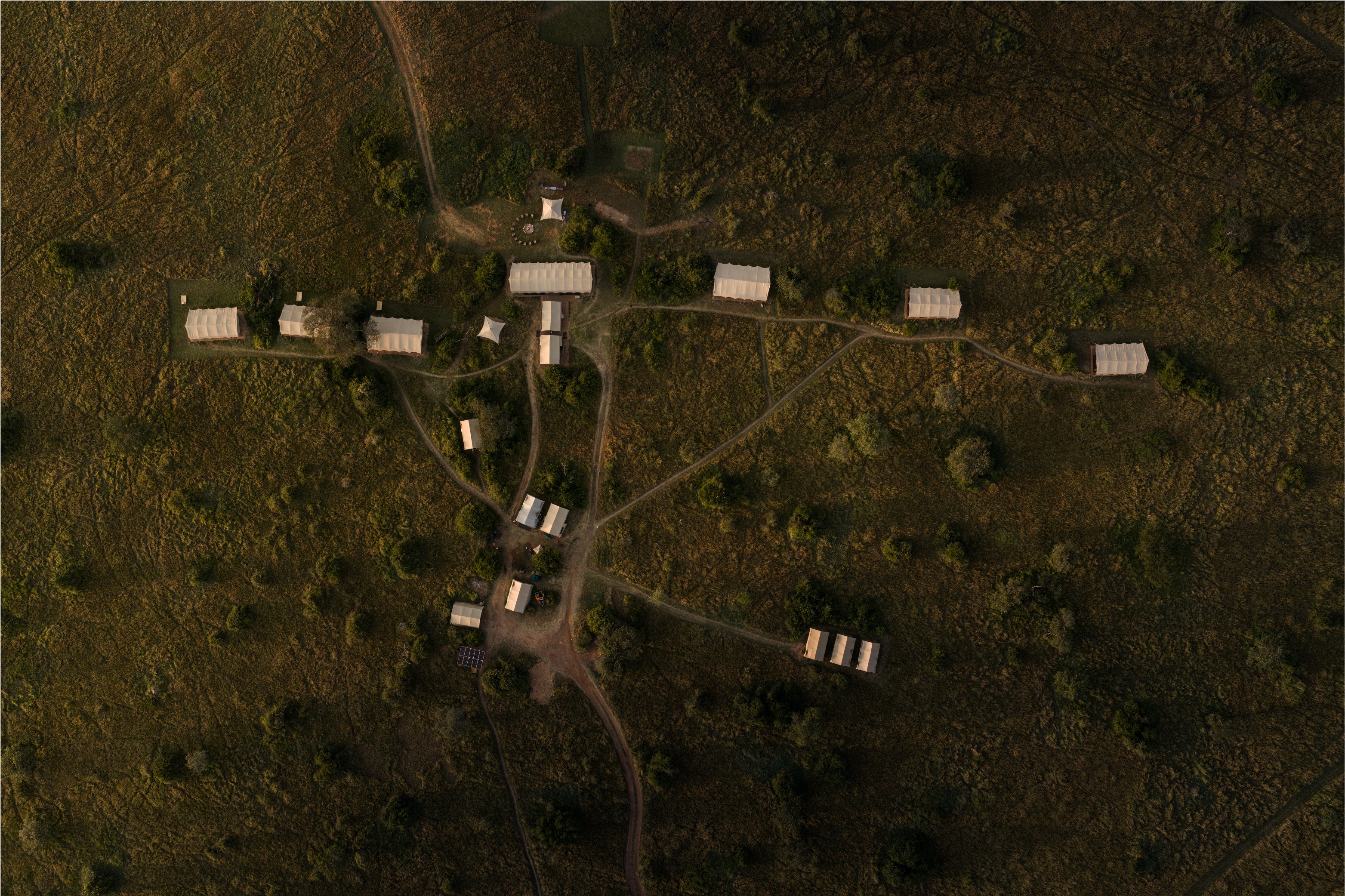
Mobile tented camps that relocate with the herds are the finest way to experience the migration. They place you within minutes of the action rather than hours, with all the comfort of a permanent lodge.
In the Masai Mara, the private conservancies bordering the national reserve limit vehicle numbers and allow walking safaris and night drives, a striking contrast to the crowded crossing points of peak season.
How we plan your migration safari
We combine the Serengeti and the Masai Mara where the season suits, add a hot-air balloon flight over the plains at dawn, and finish on the beaches of Zanzibar or the Kenyan coast. Light aircraft transfers keep travel time short and the experience seamless.
Because the herds move with the rain, we book early and plan flexibly, keeping you close to the action every day.
Witness the Great Migration
Share your travel month with us and we will position you where the herds are expected to be.
Know before you go
Great Migration Safari: frequently asked questions
The herds spend around nine months of the year in Tanzania's Serengeti and roughly three months in Kenya's Masai Mara. The Mara is excellent from August to October, while the Serengeti offers year-round options.
Crossings are unpredictable and herds may wait for hours or days before crossing. Spending several nights in the northern Serengeti or Mara greatly improves your chances.
We recommend four to six nights in migration country, ideally split between two camps to follow the herds and see different landscapes.
Yes. Zanzibar is a short flight from the Serengeti, and the Kenyan coast is easily reached from the Masai Mara, making a beach finale effortless.