Mountain gorillas are one of the few great ape populations that are growing. Carefully managed tourism and permit fees have been central to their recovery from fewer than 300 individuals in the early 1980s.
An encounter that exists outside ordinary time
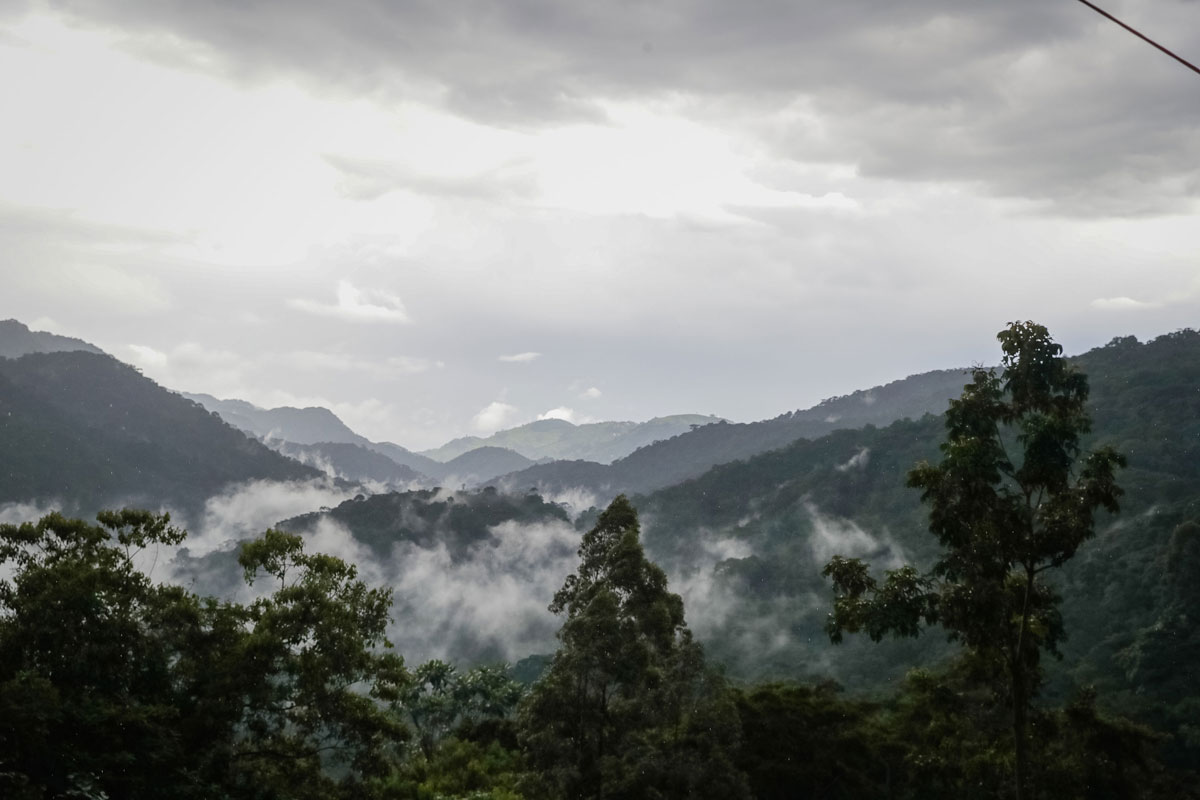
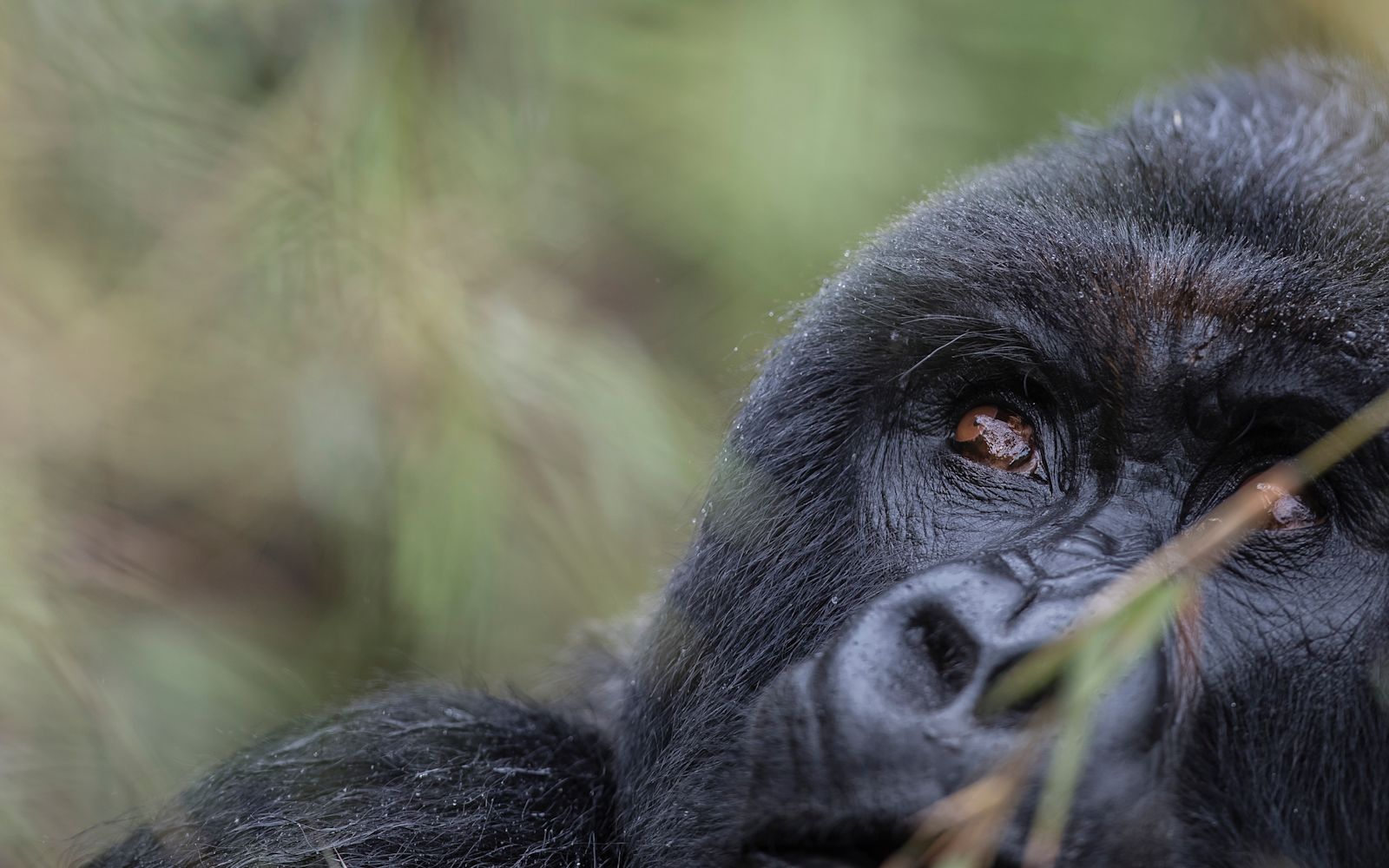
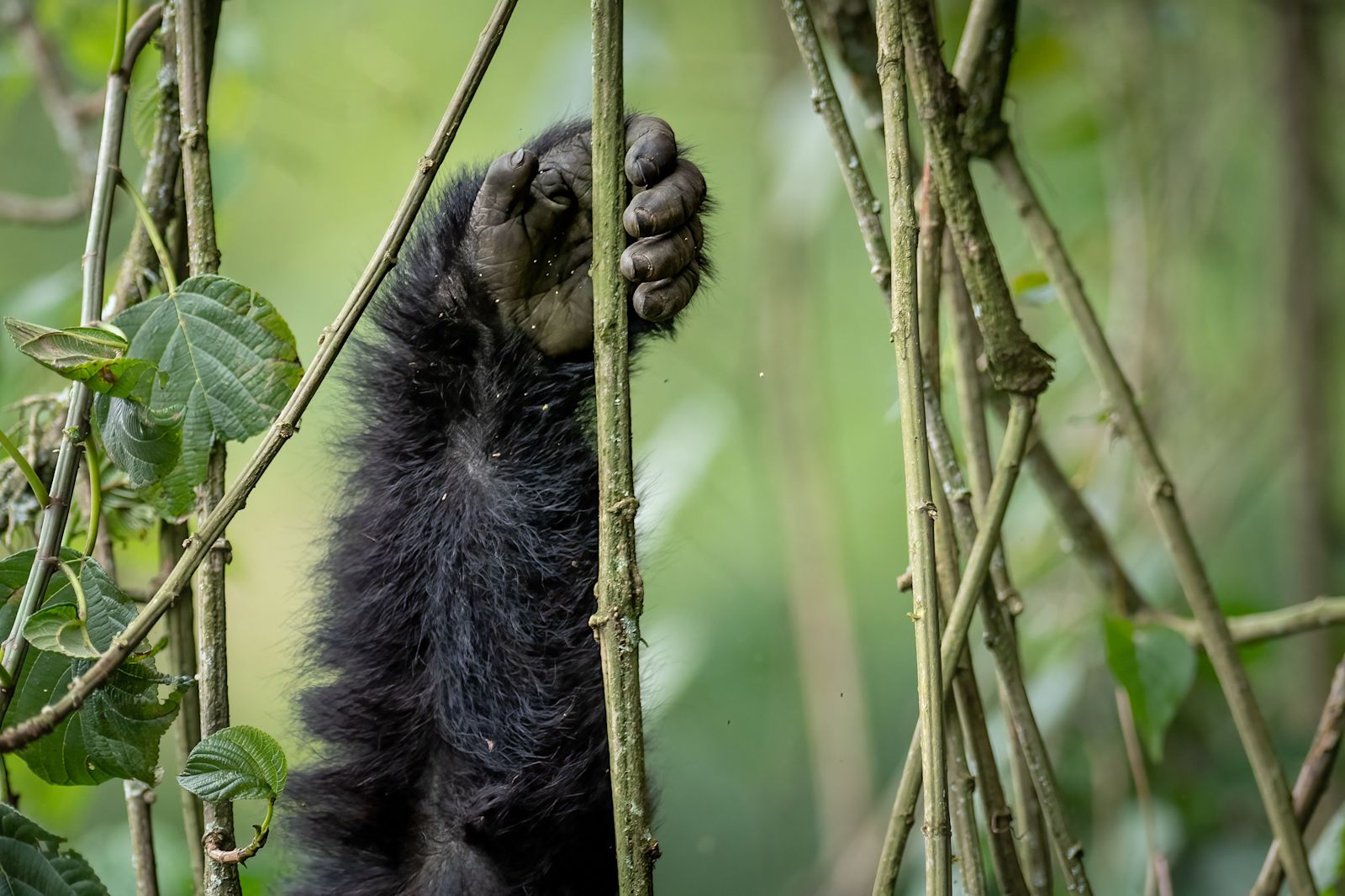
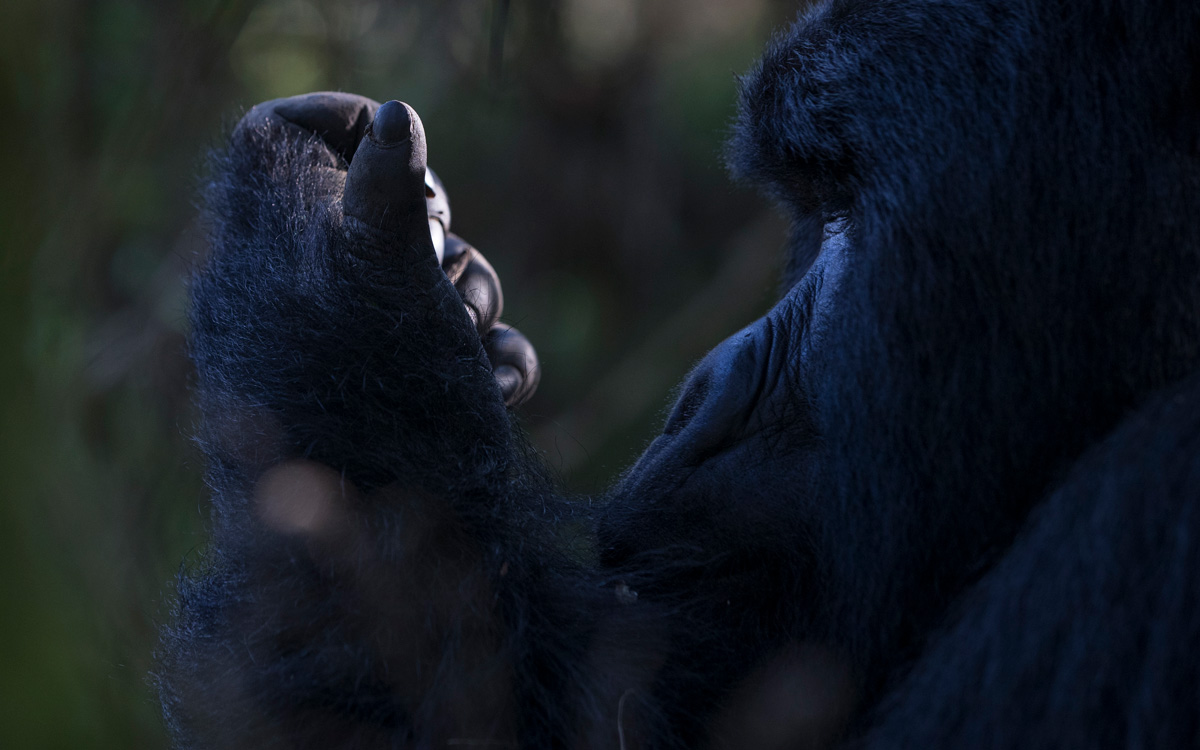
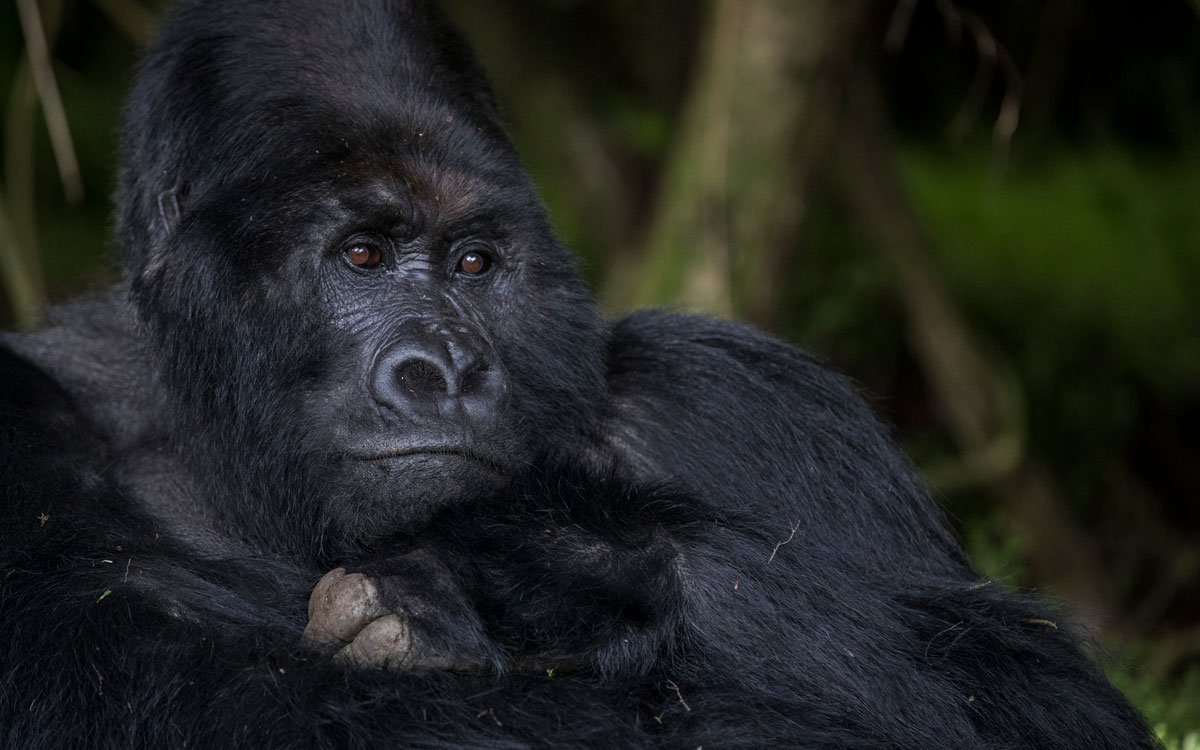
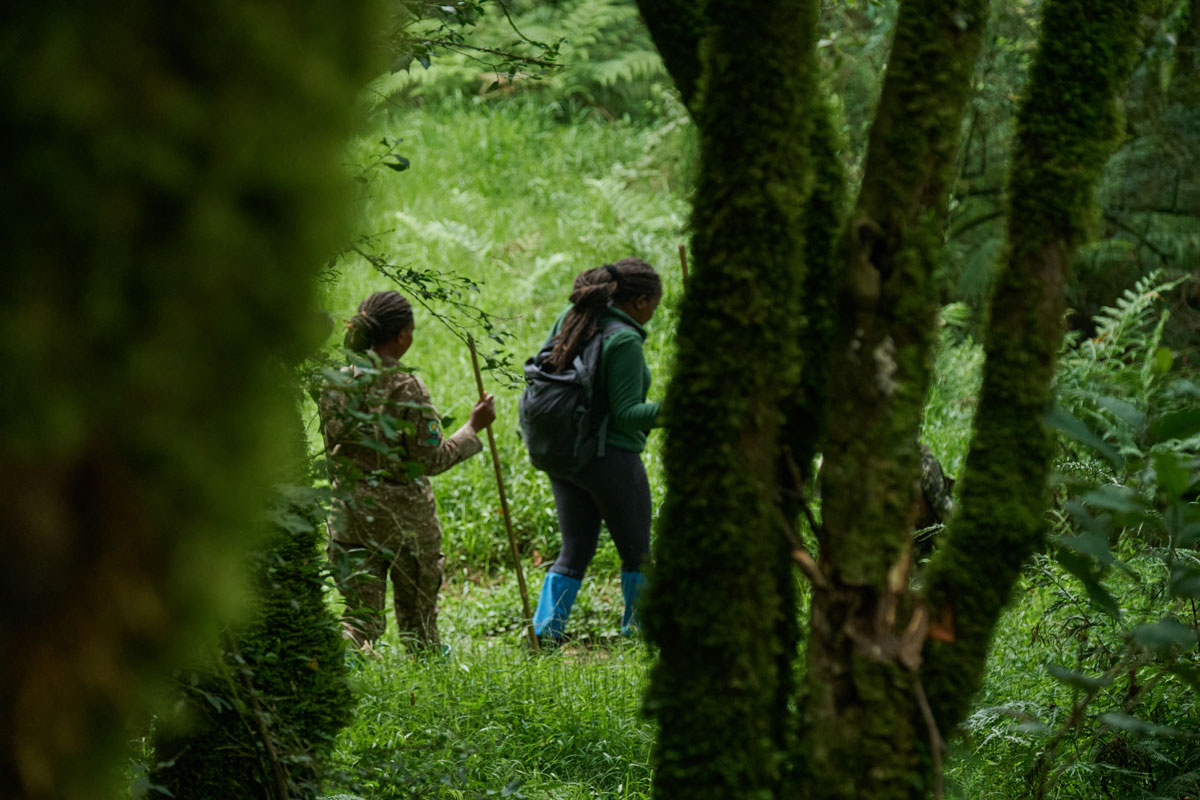
The trek begins in mist. You climb through bamboo and nettle, guided by trackers who have followed this family since dawn. Then, quietly, the forest opens, and a silverback is sitting a few metres away, chewing wild celery, his family playing in the vines around him.
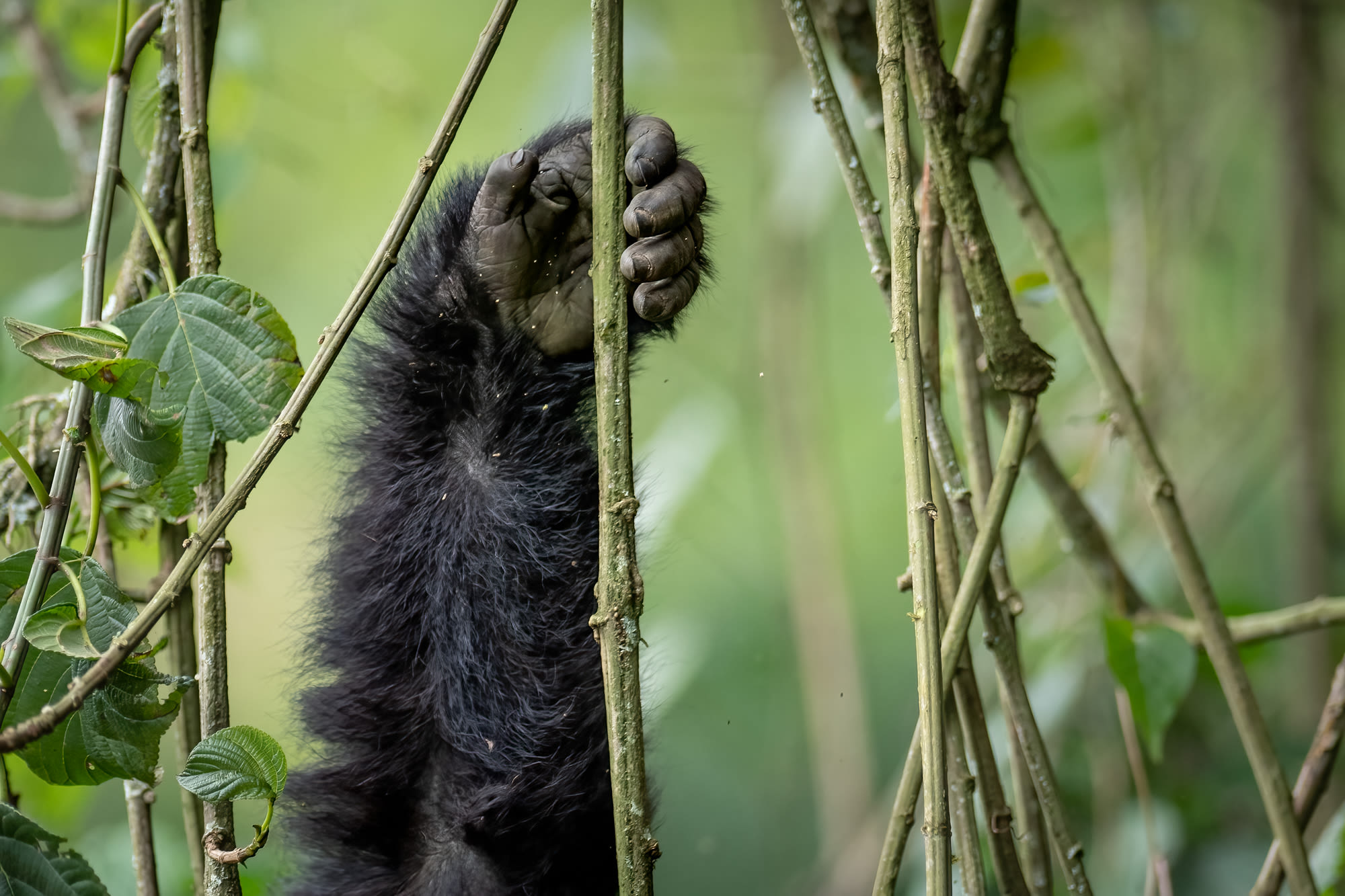
Gorilla trekking is one of the most profound wildlife encounters on Earth. Only a small number of mountain gorillas survive, all in the volcanic highlands where Rwanda, Uganda and the Democratic Republic of the Congo meet, and in Uganda's Bwindi Impenetrable Forest.
Visits are strictly limited to eight people per habituated family, for one hour each day. That hour passes in what feels like minutes, and it stays with you for a lifetime.
Rwanda or Uganda?
Rwanda's Volcanoes National Park is a short drive from Kigali, with treks that are often shorter and lodges of exceptional quality. It is ideal for travellers with limited time who want a seamless, polished experience.
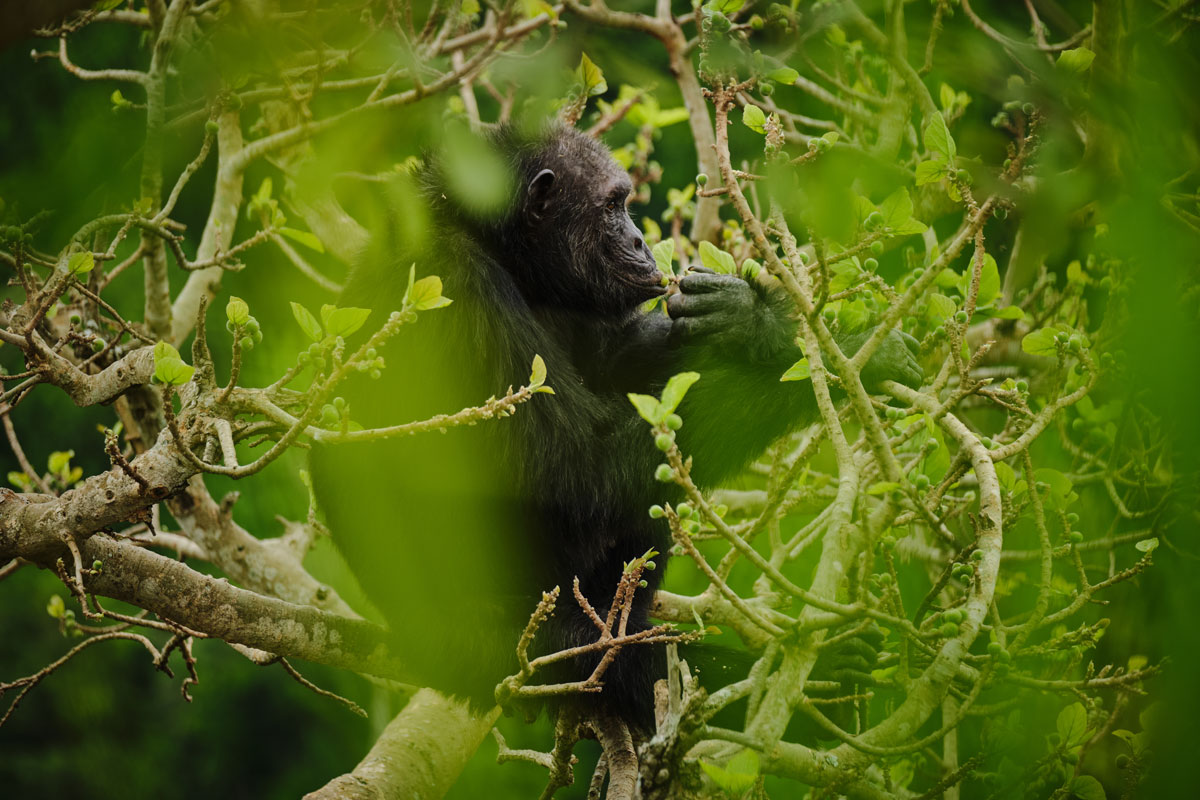
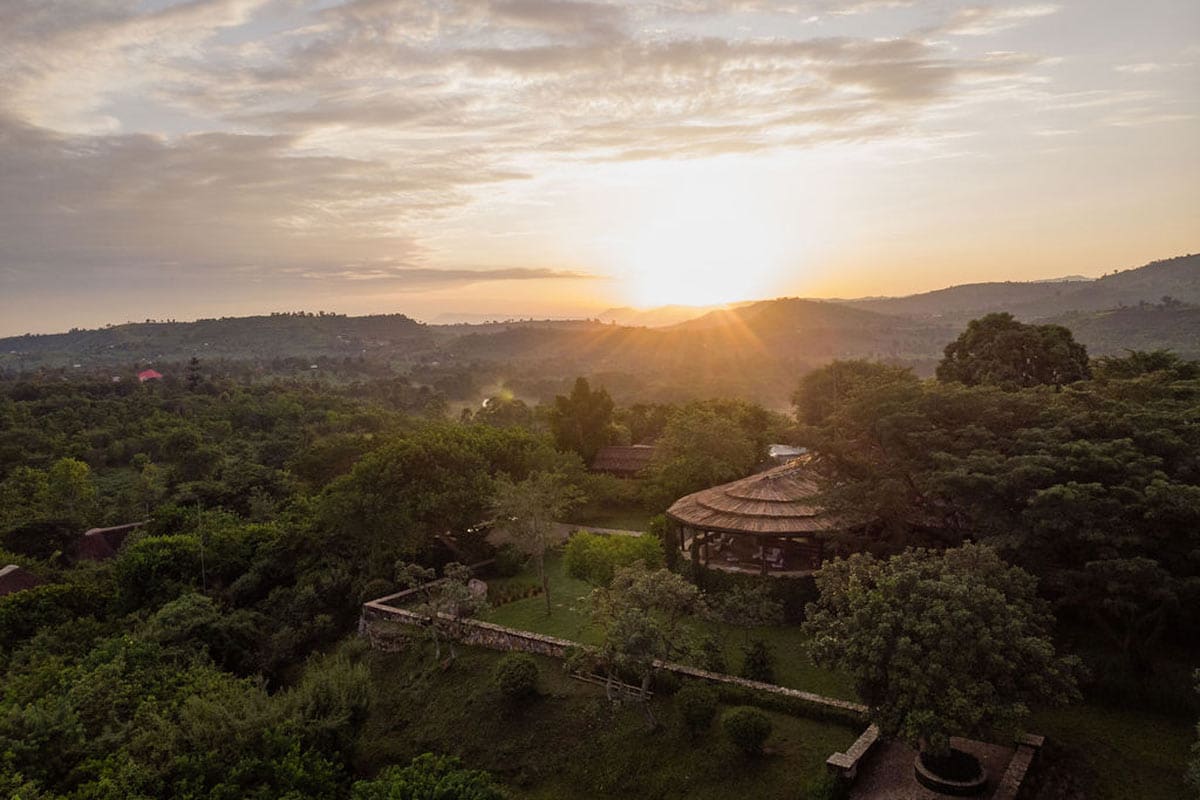
Uganda's Bwindi Impenetrable Forest is home to roughly half of the world's mountain gorillas. Permits cost less, treks can be longer and steeper, and Uganda adds chimpanzee tracking, tree-climbing lions and remarkable birdlife to the journey.
“Nothing prepares you for the moment a silverback looks back at you. It is less like seeing an animal and more like meeting a relative.”
When to go and how to prepare
Gorillas can be tracked all year, but the drier months from June to September and December to February make trails less slippery. Rain is possible at any time in the rainforest, so waterproof layers are essential.
Wear long sleeves, long trousers tucked into socks, sturdy waterproof boots and gardening gloves for gripping vegetation. Local porters can be hired to carry your bag and help on steep sections, and hiring one directly supports the surrounding communities.
How we plan your trek
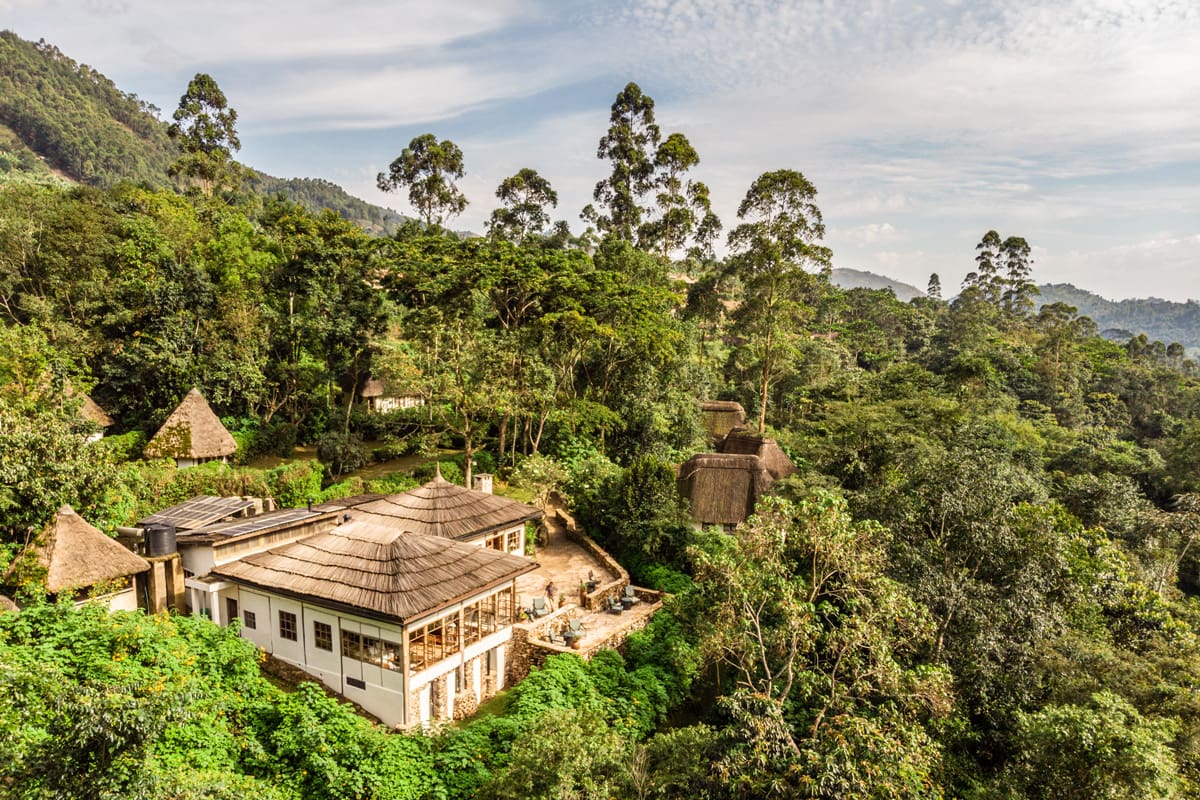
Permits are limited and sell out months in advance, especially in peak season. We secure permits early, arrange comfortable lodges close to the trailheads and plan transfers so you arrive rested.
Many guests combine gorilla trekking with a classic savanna safari in Kenya, Tanzania or South Africa, creating a journey that moves from rainforest to open plains.
Meet the mountain gorillas
Permits are limited. Contact us early and we will secure your trek and design the journey around it.
Know before you go
Gorilla Trekking: frequently asked questions
A moderate level of fitness is recommended. Treks can range from one to six hours over steep, muddy terrain at altitude. Porters and walking sticks are available to help.
Yes. Habituated gorilla families are accustomed to human presence, and rangers accompany every group and follow strict guidelines on distance and behaviour.
The minimum age for gorilla trekking is 15 years in both Rwanda and Uganda.
Yes. Gorilla trekking pairs beautifully with the Masai Mara, the Serengeti or the Kruger region, linked by short regional flights.